
How To Reconcile Crypto Wallet Transactions
In the world of cryptocurrency, keeping track of your transactions is crucial to ensuring the security and accuracy of your holdings. One common task that crypto asset holders need to perform regularly is reconciling their wallet transactions. Reconciliation involves verifying that the transactions recorded in your wallet match the transactions on the blockchain to ensure that your balance is accurate.
In this guide, we will walk you through the process of reconciling your cryptocurrency wallet transactions step by step, highlighting best practices and common pitfalls to avoid.
Understanding Crypto Wallet Transactions
Before diving into the reconciliation process, it's essential to understand how cryptocurrency wallet transactions work. When you send or receive cryptocurrency, a record of that transaction is stored on the blockchain, which serves as a transparent and decentralized ledger. Your wallet, whether hardware, software, or online-based, simply interfaces with the blockchain to display your transaction history and current balance.
Each transaction on the blockchain contains key information, such as the sender's address, the recipient's address, the amount of cryptocurrency transferred, transaction fees, and the transaction ID. All this data is crucial for reconciling your wallet transactions accurately.
Steps To Reconcile Crypto Wallet Transactions
Now let's delve into the steps involved in reconciling your crypto wallet transactions effectively:
1. Review Your Transaction History
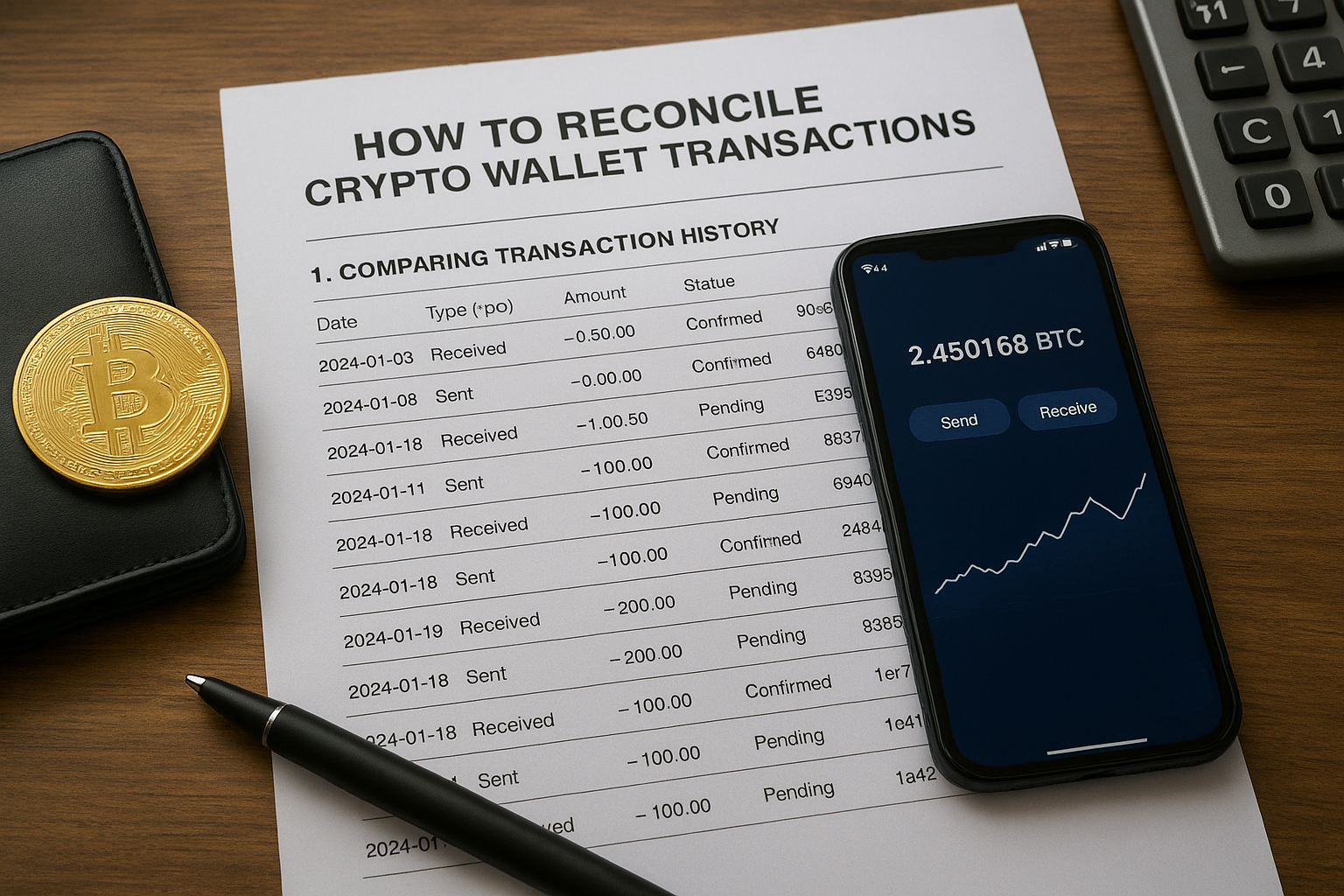
Start by reviewing your wallet's transaction history. Most wallets provide a list of incoming and outgoing transactions, including details such as transaction amounts, dates, and confirmation status. Ensure that you have a clear overview of all recent transactions before proceeding to the next step.
2. Cross-Check With the Blockchain
Next, verify the transactions in your wallet against the blockchain. You can use block explorers like Etherscan for Ethereum or Blockchain.com for Bitcoin to search for your wallet address and view all related transactions. Compare the transactions displayed on the blockchain with those in your wallet to identify any discrepancies.
3. Check for Pending Transactions
Sometimes, wallets may not display pending transactions immediately, leading to temporary discrepancies in your balance. Check whether there are any pending transactions that have not been confirmed yet. Pending transactions should eventually either confirm or be removed from your transaction history.
4. Verify Transaction Details
Pay close attention to the details of each transaction, including the recipient address, amount sent or received, transaction fees, and timestamps. Even a small typo in the recipient address can result in funds being sent to the wrong destination, so double-checking these details is vital for accuracy.
5. Reconcile Account Balances
After verifying individual transactions, reconcile your wallet's overall balance with the total balance shown on the blockchain. Your wallet balance should match the sum of all incoming and outgoing transactions, accounting for any transaction fees or unconfirmed transactions.
6. Resolve Any Discrepancies
If you identify any discrepancies between your wallet transactions and the blockchain, investigate the root cause of the discrepancy. Common issues include incorrect wallet addresses, failed transactions, or delays in transaction confirmations. Take the necessary steps to rectify these discrepancies and ensure the accuracy of your wallet balance.
7. Maintain Detailed Records
To streamline future reconciliation efforts, keep detailed records of all your cryptocurrency transactions. Maintain a transaction log that includes essential details such as transaction IDs, addresses, amounts, and timestamps. Having organized records will facilitate quicker and more accurate reconciliation in the future.
8. Use Reconciliation Tools
Consider using specialized reconciliation tools or software that can automate the reconciliation process and provide advanced reporting features. These tools can help you track and reconcile a large number of transactions across multiple wallets efficiently.
Best Practices for Reconciling Crypto Wallet Transactions
To ensure smooth and accurate reconciliation of your crypto wallet transactions, follow these best practices:
- Regularly audit your wallet transactions to detect any anomalies or unauthorized activities.
- Enable two-factor authentication on your wallet for enhanced security.
- Keep your wallet software up to date to benefit from the latest security patches and features.
- Use hardware wallets for storing large amounts of cryptocurrency, as they offer enhanced security and protection against online threats.
- Double-check all transaction details before confirming a transaction to prevent costly errors.
By following these best practices and staying vigilant about your crypto wallet transactions, you can mitigate the risk of errors and ensure the integrity of your digital assets.
Final Thoughts
Reconciling crypto wallet transactions is a critical task that every cryptocurrency holder should perform regularly to maintain accurate records and safeguard their holdings. By following the steps outlined in this guide and adhering to best practices, you can streamline the reconciliation process and enhance the security of your digital assets.
Remember, the blockchain is immutable, meaning that once a transaction is recorded, it cannot be altered or erased. Therefore, it's essential to reconcile your wallet transactions diligently to avoid any potential loss or discrepancies. Stay proactive, stay informed, and keep your crypto assets secure through meticulous reconciliation practices.