
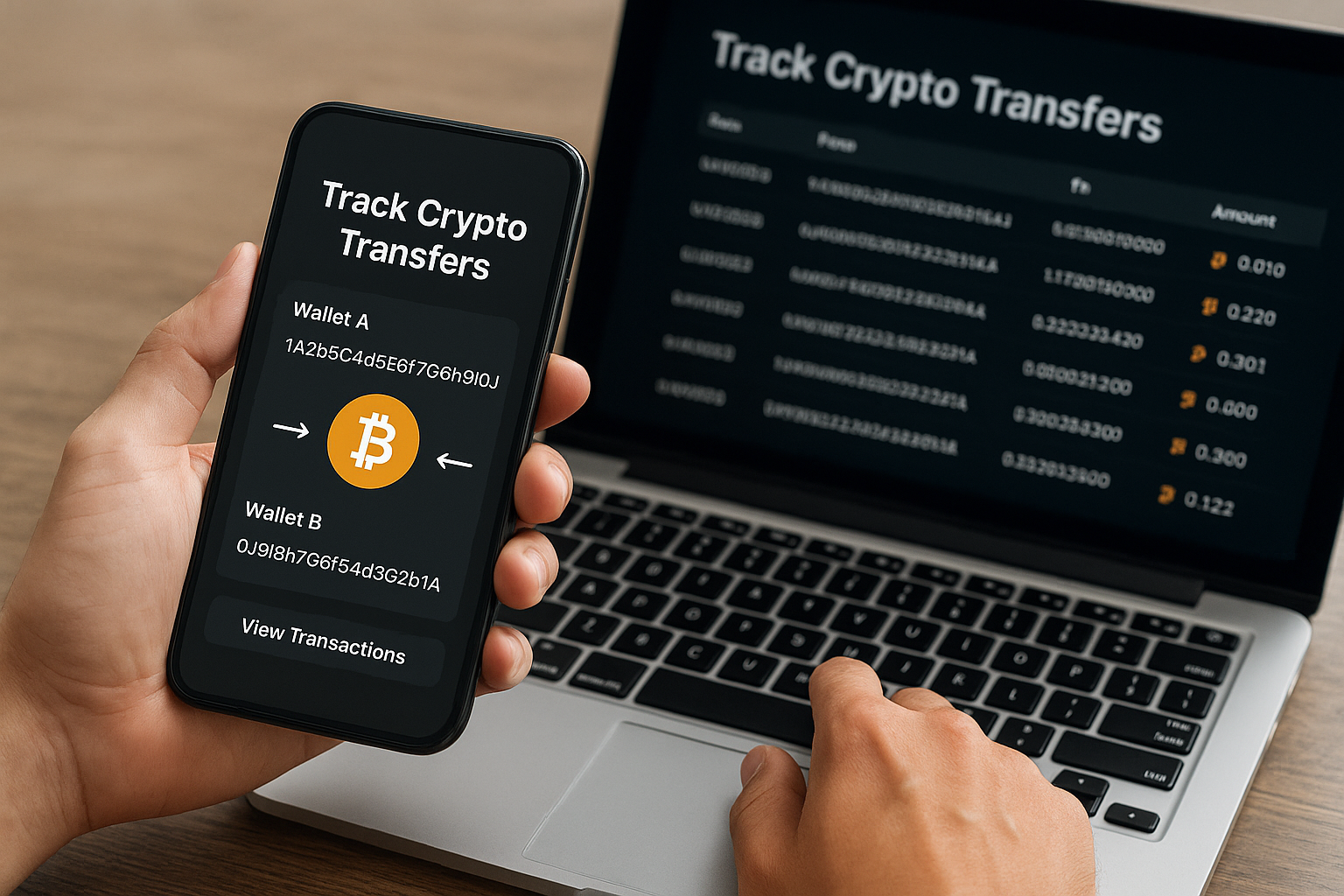
How To Track Crypto Transfers Between Wallets
In the world of cryptocurrency, tracking transactions between wallets is essential for various reasons, such as monitoring your funds, ensuring secure transfers, and analyzing your financial activities. Whether you are a beginner or an experienced crypto user, understanding how to track crypto transfers between wallets is crucial. In this comprehensive guide, we will explore the different methods and tools you can use to monitor your cryptocurrency transactions effectively.
Understanding Crypto Wallets
Before delving into the tracking methods, it's essential to understand the basics of crypto wallets. A cryptocurrency wallet is a digital tool that allows you to store, send, and receive cryptocurrencies. There are different types of wallets, including hardware wallets, software wallets, online wallets, and paper wallets, each offering varying levels of security and accessibility.
When you initiate a crypto transfer from one wallet to another, a transaction is created on the blockchain network. This transaction includes details such as the sender's wallet address, the recipient's wallet address, the amount of cryptocurrency transferred, and the transaction fee. These details are recorded on the blockchain, making cryptocurrency transactions transparent and immutable.
Tracking Crypto Transfers Using Blockchain Explorers
One of the most common methods to track crypto transfers between wallets is by using blockchain explorers. Blockchain explorers are online tools that allow you to search and view transactions on the blockchain network. By entering a wallet address or transaction ID into a blockchain explorer, you can access real-time information about the transfer, including its status, timestamp, and the number of confirmations.
Popular Blockchain Explorers:
-
Etherscan (Ethereum): Etherscan is a widely used blockchain explorer for the Ethereum network. You can search for wallet addresses, transaction hashes, and smart contracts on Etherscan to track your Ethereum transactions.
-
Blockchain.com (Bitcoin): Blockchain.com provides a user-friendly interface to explore Bitcoin transactions. You can enter a Bitcoin address or transaction ID to monitor transfers on the Bitcoin network.
-
Binance Explorer (Binance Smart Chain): For Binance Smart Chain transactions, Binance Explorer offers a comprehensive search tool to track wallet activities and token transfers.
Using Wallet Services for Transaction History
Many cryptocurrency wallets and exchanges offer built-in tools to track your transaction history. By logging into your wallet account, you can usually access a list of past transactions, including deposits, withdrawals, and transfers. These transaction histories provide detailed information about each transfer, such as the amount sent, the recipient address, and the transaction status.
Steps to Track Transactions Using Wallet Services:
-
Login to Your Wallet: Access your cryptocurrency wallet or exchange account using your credentials.
-
Navigate to Transaction History: Look for the transaction history or activity tab on the platform to view your past transfers.
-
Filter and Search Transactions: Use filters or search options to locate specific transactions by date, amount, or recipient address.
-
Review Transaction Details: Check the details of each transaction, including the transaction ID, amount sent, fees paid, and confirmations.
Monitoring Crypto Transfers with Portfolio Trackers
If you hold cryptocurrency investments across multiple wallets and exchanges, using a portfolio tracker can help consolidate and monitor your assets effectively. Portfolio trackers are third-party platforms or apps that allow you to sync your wallets and exchange accounts to view all your holdings in one place. These trackers provide real-time updates on your portfolio's value, asset allocation, and transaction history.
Advantages of Portfolio Trackers:
- Holistic View: See an overview of all your crypto holdings across different wallets and exchanges.
- Transaction History: Track the movement of your assets, including transfers, purchases, and sales.
- Performance Analysis: Evaluate your portfolio performance, gains, losses, and historical trends.
- Alerts and Notifications: Set up alerts for price movements, portfolio changes, or significant transactions.
Popular Portfolio Tracking Platforms:
-
CoinGecko: CoinGecko offers a comprehensive portfolio tracking feature that allows you to monitor your crypto investments and transactions seamlessly.
-
Blockfolio: Blockfolio is a user-friendly app with portfolio tracking tools, price alerts, and a news feed to stay updated on the crypto market.
-
Delta: Delta is another popular portfolio tracker that supports multiple cryptocurrencies and exchanges, providing in-depth insights into your holdings.
Analyzing Transaction Details on the Blockchain
In addition to tracking your crypto transfers, you can analyze transaction details on the blockchain to gain insights into the flow of funds and wallet activities. By exploring the blockchain data, you can trace the origin and destination of funds, identify transaction patterns, and verify the integrity of transfers. This process is known as blockchain forensics and is commonly used for auditing, security, and compliance purposes.
Tools for Blockchain Analysis:
-
Chainalysis: Chainalysis is a blockchain analysis platform that offers tools for tracking cryptocurrency transactions, identifying illicit activities, and ensuring regulatory compliance.
-
Crystal Blockchain: Crystal Blockchain provides blockchain analytics solutions to monitor and investigate cryptocurrency transactions for anti-money laundering (AML) purposes.
-
CipherTrace: CipherTrace offers services for tracing cryptocurrency transactions, detecting fraud, and complying with regulatory requirements for virtual asset service providers.
Best Practices for Secure Crypto Tracking
While tracking crypto transfers between wallets is essential for managing your funds, it's crucial to adopt best practices to ensure the security and privacy of your transactions. Here are some tips to enhance the security of your crypto tracking activities:
-
Use Secure Wallets: Store your cryptocurrencies in reputable wallets that offer robust security features, such as two-factor authentication (2FA) and encryption.
-
Protect Your Private Keys: Safeguard your private keys and never share them with anyone. Your private keys are the access codes to your funds and should be kept offline in a secure location.
-
Verify Transaction Details: Double-check the recipient address and amount before confirming any crypto transfer to prevent sending funds to the wrong destination.
-
Enable Transaction Notifications: Set up alerts for incoming and outgoing transactions to monitor any unauthorized activity on your wallets.
-
Update Your Software: Keep your wallet software and portfolio tracking tools up to date to benefit from the latest security enhancements and features.
Conclusion
Tracking crypto transfers between wallets is a fundamental aspect of managing your cryptocurrency investments and ensuring the security of your funds. By using blockchain explorers, wallet services, portfolio trackers, and blockchain analysis tools, you can monitor your transactions effectively and gain valuable insights into your financial activities. Remember to follow best practices for secure crypto tracking to protect your assets and maintain control over your digital wealth in the ever-evolving world of cryptocurrencies.