
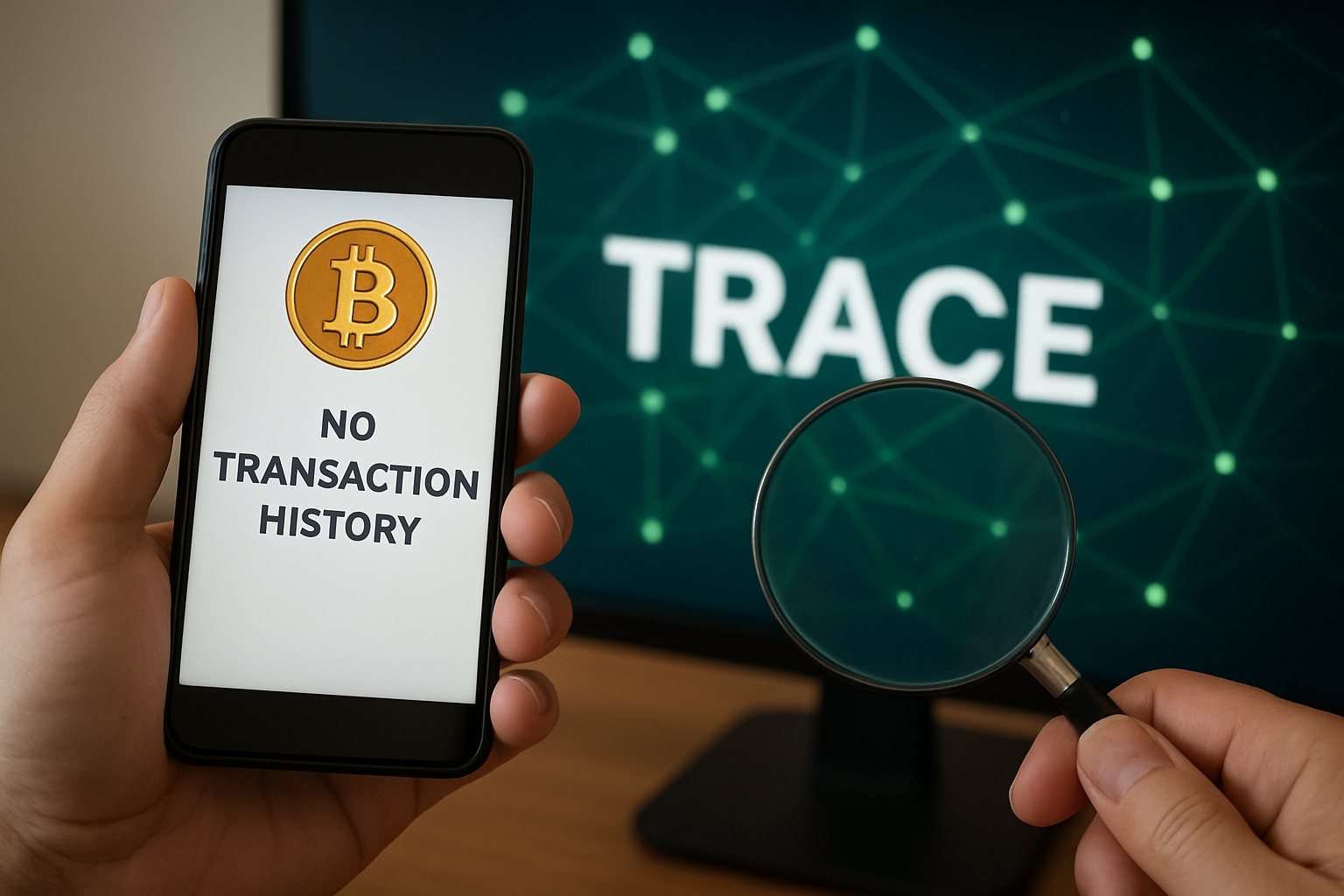
Is it Possible to Trace Crypto Transactions?
Cryptocurrencies have gained immense popularity in recent years, with Bitcoin leading the way as the pioneer in this digital financial world. However, one of the common concerns surrounding cryptocurrencies is the anonymity they offer. Many people wonder if it is possible to trace crypto transactions. In this article, we will explore the intricacies of tracing crypto transactions and the tools available for this purpose.
The Basics of Crypto Transactions
Before delving into the topic of tracing crypto transactions, it is essential to understand how these transactions work. Cryptocurrencies operate on a decentralized network known as the blockchain. When a transaction is initiated, it is added to a block, which is then validated by network participants known as miners. Once verified, the transaction is added to the blockchain, where it is permanently recorded.
Is Cryptocurrency Truly Anonymous?
Contrary to popular belief, most cryptocurrencies are not entirely anonymous. While they offer a certain level of privacy, transactions can be traced back to specific addresses on the blockchain. Each transaction is recorded on a public ledger, allowing anyone to view the transaction history of a particular address.
Tracing Crypto Transactions
While it is possible to trace crypto transactions to a certain extent, the level of anonymity provided by cryptocurrencies can make it challenging to pinpoint the identity of the parties involved. However, there are tools and technologies available that can aid in tracing crypto transactions.
Blockchain Analysis
Blockchain analysis involves tracking and monitoring transactions on the blockchain to identify patterns and trace the flow of funds. By analyzing the transaction history of a particular address, investigators can gain insights into the parties involved and their activities.
Cryptocurrency Forensics
Cryptocurrency forensics is a specialized field that combines traditional forensic techniques with blockchain analysis to investigate illicit activities involving cryptocurrencies. Forensic experts use a variety of tools and methodologies to trace crypto transactions and identify potential criminal activities.
Chain Analysis Tools
Chain analysis tools such as Chainalysis and Elliptic are widely used in the cryptocurrency industry to trace transactions and detect suspicious behavior. These tools analyze the blockchain to provide insights into transaction patterns, money laundering activities, and other illicit practices.
Privacy Coins
While most cryptocurrencies offer a certain level of traceability, privacy coins such as Monero and Zcash are designed to enhance anonymity and privacy. These coins utilize advanced cryptographic techniques to obfuscate transaction details, making it difficult to trace the flow of funds.
Regulatory Landscape
As cryptocurrencies continue to gain mainstream adoption, regulatory authorities around the world are taking steps to enhance transparency and combat illicit activities involving digital assets. Many countries have implemented regulations requiring cryptocurrency exchanges to adhere to anti-money laundering (AML) and know your customer (KYC) guidelines.
Conclusion
In conclusion, while cryptocurrencies offer a certain degree of anonymity, it is possible to trace crypto transactions using specialized tools and techniques. Blockchain analysis, cryptocurrency forensics, and chain analysis tools play a vital role in tracking transactions and identifying potential wrongdoing. As the regulatory landscape evolves, the need for enhanced transparency and compliance in the cryptocurrency industry becomes increasingly important. By understanding the mechanisms involved in tracing crypto transactions, individuals and businesses can navigate the digital financial landscape more effectively and securely.